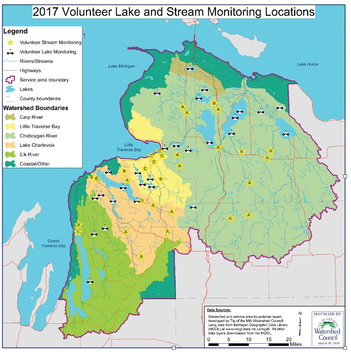
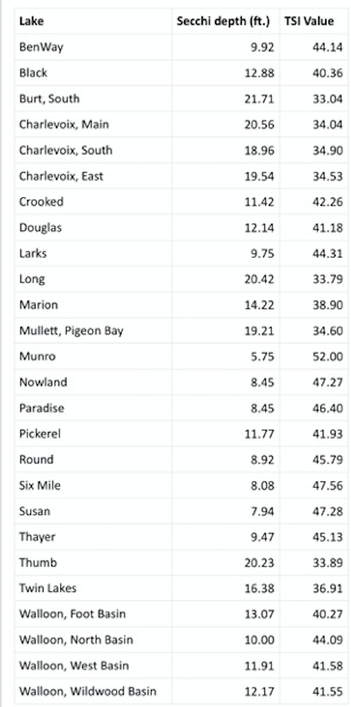
During our three years of research with our consultant, Kieser & Associates, we have evolved our approach to water quality monitoring a great deal. The diagram above shows how the key contributors to the health of our lake are inter-related. We have learned that the primary impairments that our members are concerned with (fish survival, weed expansion, changes to the lake bottom, and harmful algae blooms (HABS) are all affected by the same set of inter-relationships. In addition, the model reveals that there are two primary contributors that our whole community must be focused on: invasive mussels (i.e. preventing the introduction of Quagga Mussels) and aging septic systems.
Looking at the dynamics in this manner helps us direct our energy and resources in the most impactful way. It's a complex model, but hopefully it makes it easier to understand why we measure and focus on things like P (phosphorous), N (nitrogen), DO (dissolved oxygen), and the rest of the alphabet soup that shows up in our reports.
IMPORTANT INFORMATION ABOUT HARMFUL ALGAE BLOOMS
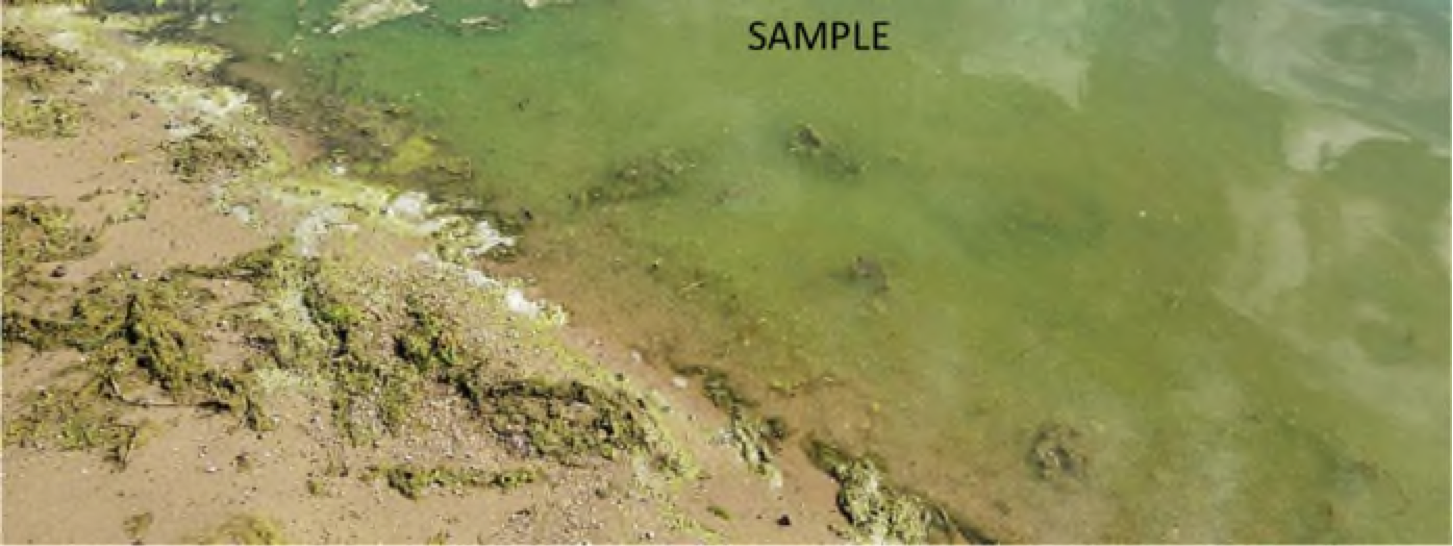
If you see an algae bloom on your shoreline that looks like the above photo, avoid contact with the water (including pets) and please report it to EGLE by email at: [email protected] or by phone at: 800-662-9278. Also, please add your sighting to Eyes on the Lake by clicking HERE.
An Introduction to the Volunteer Lake Monitoring Program
|
Your browser does not support viewing this document. Click here to download the document.
|
And If You'd Like the Full Story.......
If you need a more complete description of why you should care about Chl(A) or DO or NaCl in the lake. Use the document below to learn as much or as little as you need.
| understanding_lake_monitoring_data.pdf | |
| File Size: | 875 kb |
| File Type: | |
Black Lake Readings And Trends
Your browser does not support viewing this document. Click here to download the document.
2018 Tributary Study
This study was performed by the Tip of the Mitt Watershed Council and was sponsored by the BLPS. It highlights many issues that impact habitat for marine life and potential links to harmful algae blooms seen on the south shore of Black Lake in the summer of 2019.
Your browser does not support viewing this document. Click here to download the document.